

Grootste schenking in afgelopen tien jaar
Nieuws
2 januari 2017
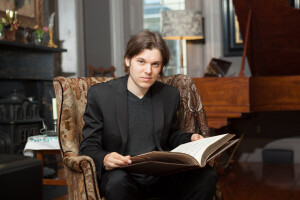
Mijn interesse in historische instrumenten, en met name historische piano’s, ontstond tijdens mijn studie moderne piano aan het New England Conservatory in Boston, VS. In een klein stadje in Massachusetts bevindt zich een collectie historische piano’s, die al jaren wordt beheerd door twee enthousiastelingen die concerten en workshops organiseren met hun instrumenten en iedereen die geïnteresseerd is van harte welkom heten. Verschillende bezoeken aan deze collectie, in combinatie met enkele verhelderende lessen van Robert Levin en Peter Serkin – die beiden veel ervaring hadden met allerlei soorten historische toetsinstrumenten – markeerden het begin van mijn interesse in historische toetsinstrumenten. De klank en de mechaniek van deze piano’s zijn zo nauw verweven met de muziek die ervoor is geschreven, dat het voor mij volkomen logisch was om, waar mogelijk, Mozart op een fortepiano uit het Mozart-tijdperk te spelen, C.P.E. Bach op een clavichord en Chopin op een Pleyel. Om mijn studie voort te zetten besloot ik naar Amsterdam te verhuizen en me in te schrijven voor het Early Keyboards Program, wat me de kans gaf om niet alleen fortepiano te studeren, maar ook andere historische toetsinstrumenten en aanverwante vakken, zoals improvisatie en basso continuo.
Het was altijd al mijn droom geweest om een 18e-eeuwse fortepiano van het Weense type te bezitten om het klassieke repertoire van Mozart, Haydn, de vroege Beethoven en anderen uit te voeren – de stijl waar ik me het meest toe aangetrokken voel. Dankzij de NMF kon ik zo’n instrument aanschaffen. Deze specifieke piano heeft twee mechanieken met totaal verschillende klanken – de ene met in leer beklede hamers en de andere met hamers van onbewerkt hout. Beide soorten mechanieken bestonden in de jaren 1770 en 1780, waarbij de laatste voor het moderne publiek vrijwel onbekend is. Dit instrument biedt nieuwe, spannende mogelijkheden om te ontdekken hoe de muziek uit die tijd geklonken zou kunnen hebben.
